
Guangdong LiYou Steel Structure Engineering Co., Ltd. +8619147784007 liyousteelstructure@outlook.com
Views: 41 Author: Site Editor Publish Time: 2026-04-08 Origin: Site
In today's warehousing, logistics, and manufacturing sectors, a prefab warehouse has become a preferred construction solution for many businesses. Compared with traditional concrete buildings, prefab steel warehouses offer shorter construction timelines, high structural strength, flexible expansion options, and better overall cost control.
However, choosing the wrong prefab warehouse solution can lead to inefficient space utilization, insufficient load capacity, limited expansion potential, and higher long-term operating costs.
This guide explains how to systematically select the right prefab warehouse for your business by evaluating functional requirements, structural systems, material options, total cost considerations, and supplier capabilities.
Selecting the right prefab warehouse starts with understanding your operational needs, not requesting quotations.
Different applications require different design standards.
| Application Type | Key Design Considerations |
|---|---|
| General storage | Standard height and floor load capacity |
| Cold storage | High insulation performance |
| Manufacturing workshop | Equipment load requirements |
| Logistics distribution center | Greater clear height and loading zones |
For example, a cold storage prefab warehouse must prioritize insulation thickness, airtightness, and energy efficiency, while general storage facilities may have more basic enclosure requirements.
Once the function is clear, determine:
Total building area
Span
Bay spacing
Eave height
Typical reference ranges:
Single-span width: 15 m to 36 m
Bay spacing: 6 m to 9 m
Eave height for industrial warehouses: 6 m to 12 m
An optimized structural layout improves space efficiency and reduces unnecessary steel consumption. It is also advisable to plan for future expansion during the early design stage.
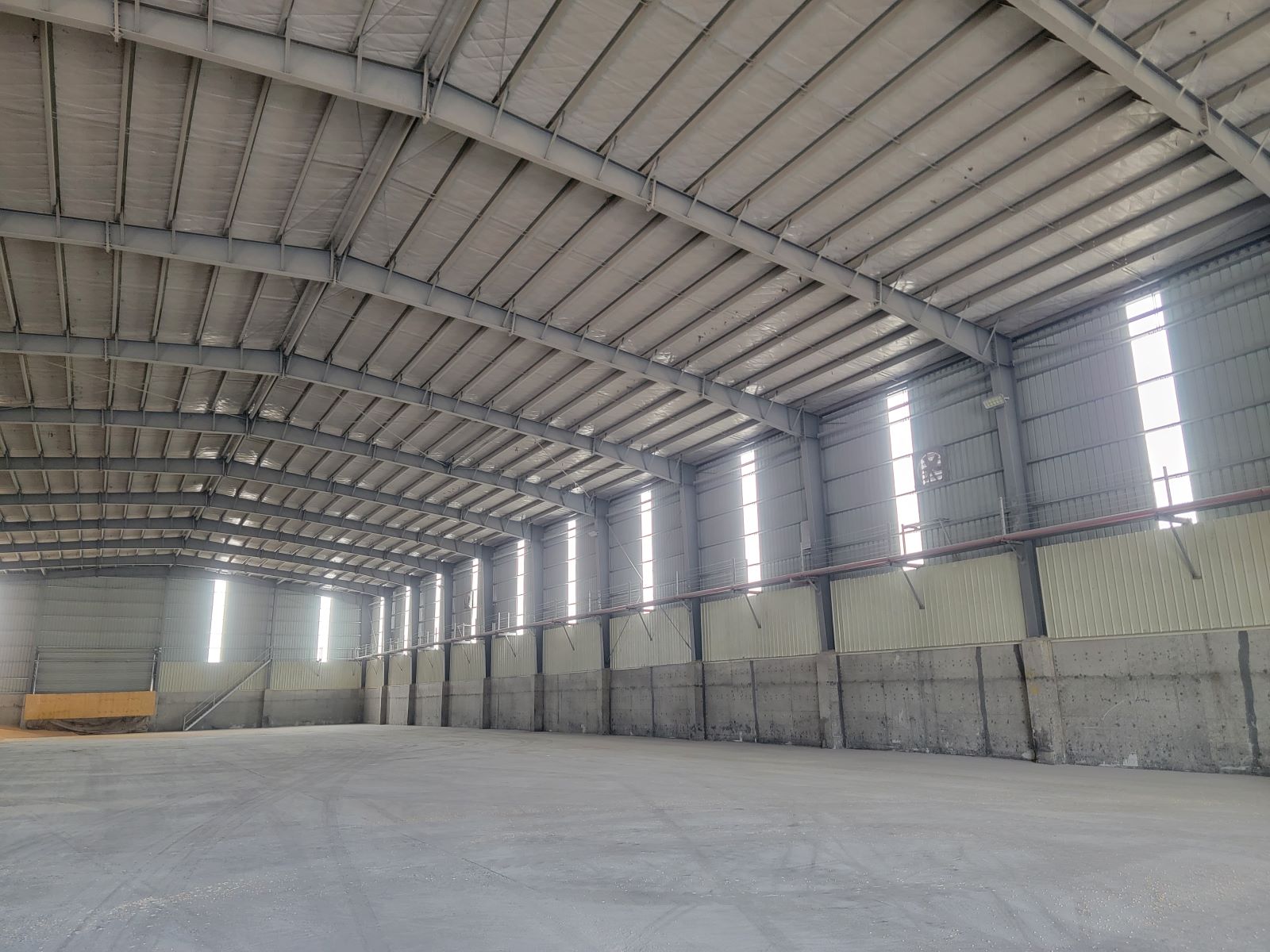
The structural system directly affects safety, durability, and overall cost efficiency.
Ideal for single-story, large-span warehouses
Simple structural form
Efficient material usage
Cost-effective solution
This is the most common structural system used in prefab warehouse projects.
Suitable for large-scale warehousing facilities
Easier phased expansion
Common in logistics parks and industrial complexes
While flexible, these systems require careful engineering coordination.
Every prefab warehouse must be designed according to:
Roof load
Wind load
Snow load
Seismic requirements
Structural calculations must comply with local building codes. Using data from another region without proper adjustment can compromise safety.
Material selection has a direct impact on lifespan and maintenance costs.
Common grades include:
ASTM A36
ASTM A572
Q355
Higher strength grades may reduce steel quantity, but material selection should always be based on structural calculations rather than price alone.
Common enclosure systems include:
| Type | Main Advantage |
|---|---|
| Sandwich panel | Excellent insulation performance |
| Single sheet + insulation | Cost-effective option |
| Insulated metal panel | High industrial standard |
In regions with extreme temperatures, choosing an insulated prefab warehouse can significantly reduce long-term energy consumption.
Insulation thickness, sealing performance, and ventilation design all influence operating expenses.
A properly designed prefab warehouse can deliver meaningful energy savings throughout its lifecycle.

When evaluating prefab warehouse cost, consider the full lifecycle rather than initial price alone.
This typically includes:
Structural steel components
Wall and roof systems
Installation expenses
Foundation construction
Structural steel often represents 50 to 70 percent of the total building cost.
Key factors include:
Energy consumption
Maintenance requirements
Future expansion feasibility
Low upfront pricing may lead to higher maintenance or retrofit costs over time.
Selecting a prefab warehouse is not just choosing a product, but choosing an engineering partner.
A qualified supplier should provide:
Structural calculation reports
Detailed shop drawings
3D modeling support
Engineering capability directly affects safety and material optimization.
Review whether the supplier:
Operates automated welding lines
Has shot blasting and coating facilities
Maintains stable annual production capacity
Limited production capability can result in delivery delays.
Verify whether the supplier:
Is ISO 9001 certified
Maintains material traceability
Conducts weld inspections
Quality control determines the long-term durability of the prefab warehouse.
For export projects, confirm that the supplier:
Understands marine packaging requirements
Provides complete customs documentation
Is familiar with destination country standards
Suppliers with international experience can significantly reduce project risk.

Businesses often make the following errors when selecting a prefab warehouse:
Underestimating future expansion needs
Ignoring regional wind or snow loads
Comparing price alone
Choosing trading companies without engineering capability
A structured evaluation process is more important than selecting the lowest bid.
Before finalizing your prefab warehouse solution, confirm:
Building function and dimensions
Structural load requirements
Material grades
Corrosion protection standards
Delivery timeline
After-sales support scope
All critical technical specifications should be clearly documented in the contract to minimize risk.

Choosing the right prefab warehouse is a strategic investment decision.
From defining operational needs to selecting structural systems, materials, and qualified suppliers, every step influences structural safety, cost efficiency, and long-term performance.
A professional partner should deliver not only standardized products, but comprehensive engineering solutions that support sustainable and scalable business growth.
If you're planning a prefab warehouse project and need expert guidance or a customized quotation, feel free to contact our engineering team at liyousteelstructure@outlook.com — we're ready to support your project from design to delivery.
