
Guangdong LiYou Steel Structure Engineering Co., Ltd. +8619147784007 liyousteelstructure@outlook.com
Views: 44 Author: Site Editor Publish Time: 2026-02-18 Origin: Site
Rigid frame structures are widely used in modern industrial, commercial, and warehouse construction due to their high load-bearing capacity, efficient construction, and excellent space utilization. Understanding a rigid frame structure is essential for architects, engineers, and project owners.
Knowing the function and components of each part not only ensures structural safety and durability but also helps optimize construction workflows and control costs. This article provides a detailed, practical guide to the design principles, key components, and typical applications of a rigid frame structure, helping you make informed construction decisions.
A rigid frame structure is a load-bearing system primarily made of steel, in which beams and columns are rigidly connected to form a stable framework. Compared to conventional steel frames or light steel structures, rigid frames can support large roofs and walls without relying on additional support, making them ideal for wide-span buildings.
Key characteristics include:
Rigid beam-column connections providing high structural stiffness
Capable of withstanding wind, snow, and seismic loads
Modular design enabling fast and efficient construction
Understanding the basics of a rigid frame structure is crucial for designing safe, efficient steel buildings.
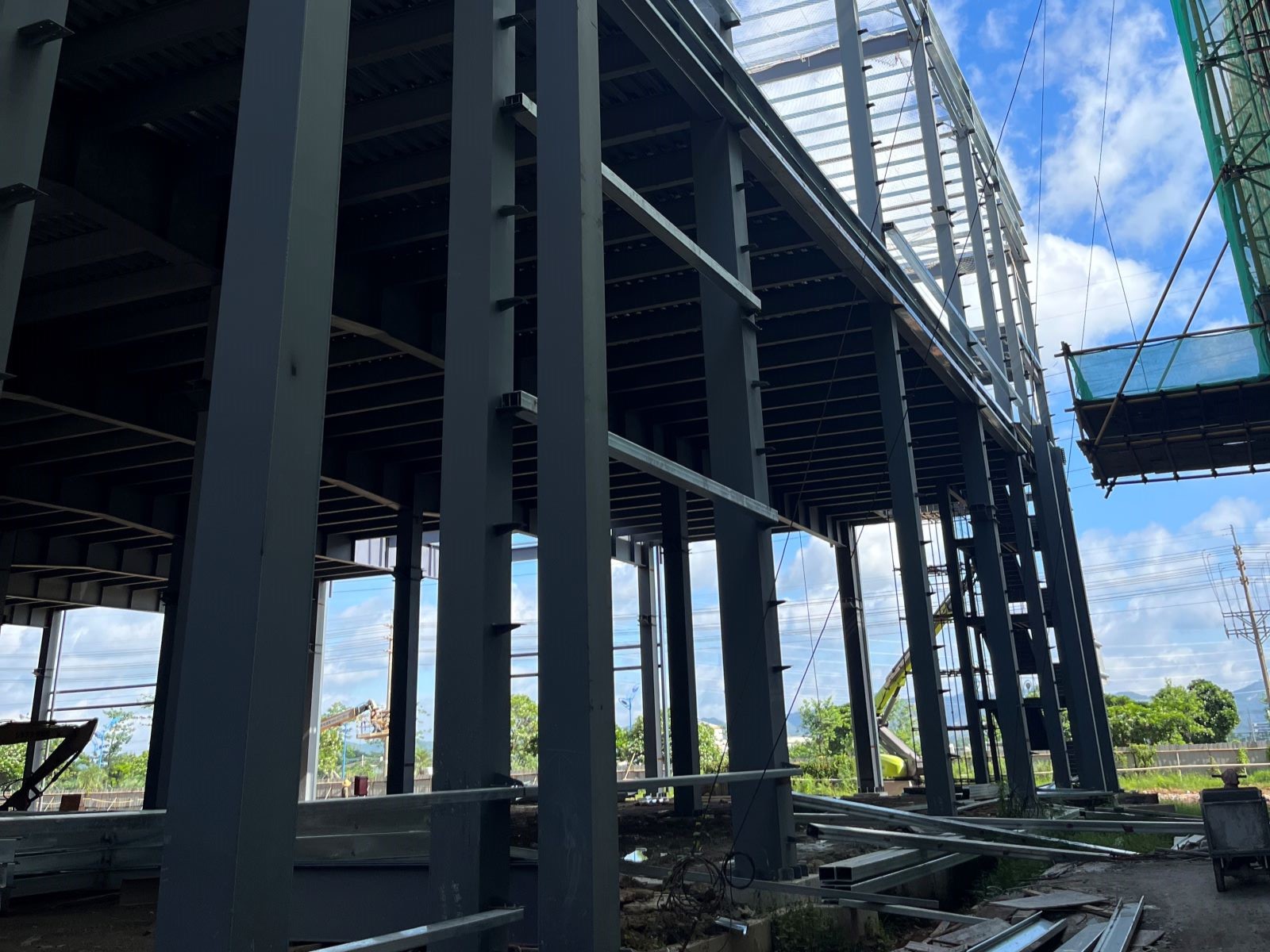
Primary beams and columns are the core load-bearing elements of a rigid frame structure:
Support the weight of the roof and walls
Provide overall structural rigidity
Ensure stability under environmental loads such as wind and snow
The roof system includes trusses, purlins, and supporting members:
Carry wind and snow loads
Support roofing panels and insulation layers
Enhance overall structural stability and prevent roof deformation
Horizontal and diagonal braces prevent lateral displacement:
Improve wind resistance
Increase seismic performance
Ensure long-term structural safety
Connectors secure all components together and are critical steel building components:
High-strength bolts fix beams, columns, and roof supports
Prevent structural loosening or deformation
Directly impact construction quality and building longevity
Rigid frame structures offer several advantages in modern construction:
High Load-Bearing Capacity: Suitable for wide-span industrial and warehouse buildings
Maximized Open Space: Minimal internal columns allow flexible layouts and operations
Faster Construction Time: Modular design accelerates on-site assembly
Durability and Safety: Steel's high strength ensures a stable structure
Cost-Effectiveness: Optimized materials and construction reduce overall investment
These benefits make rigid frame structures a preferred choice for industrial, commercial, and large public buildings.
Key considerations when designing and constructing a rigid frame structure include:
Material Selection: High-quality steel with corrosion and rust protection
Load Analysis: Account for wind, snow, and seismic loads
Construction Sequence: Foundation → Frame → Roof → Bracing → Connectors
Quality Control: Check bolt torque, welding quality, and steel surface condition
Maintenance and Inspection: Regularly inspect structural stability, bolts, and roof panels
Proper design and construction management maximize both safety and lifespan.

Rigid frame structures are widely applied across various construction projects:
Factories and Workshops: Large open spaces for flexible production layouts
Warehouses and Distribution Centers: Strong load-bearing roofs and walls for storage
Commercial Buildings: Quick construction while maintaining aesthetics and functionality
Large-Span Buildings: Stadiums, exhibition halls, and aircraft hangars supported by steel frameworks
These examples demonstrate the versatility and practical value of steel building components in real-world projects.
Understanding the definition, components, and advantages of a rigid frame structure is crucial for design, construction, cost management, and long-term maintenance. Each component plays a unique role in ensuring safety, durability, and optimal performance.
Partnering with an experienced professional team ensures that every part is properly configured, maximizing building performance and reliability over time.
If you want to learn more about rigid frame structures or need professional design and construction solutions, contact Liyou Steel Structure. Email us at: liyousteelstructure@outlook.com
