
Guangdong LiYou Steel Structure Engineering Co., Ltd. +8619147784007 liyousteelstructure@outlook.com
Views: 32 Author: Site Editor Publish Time: 2026-03-24 Origin: Site
In modern industrial construction, the steel frame portal system has become one of the most widely adopted structural solutions. From manufacturing plants and logistics warehouses to agricultural storage facilities and heavy equipment workshops, steel frame portal structures offer an efficient balance of strength, speed, and cost-effectiveness.
Compared with traditional reinforced concrete buildings or conventional steel framing systems, a steel frame portal provides clear advantages in long-span capability, material efficiency, construction speed, and future expandability. This article explains the structural principles, design considerations, and practical applications that make steel frame portal systems the preferred choice for industrial buildings.
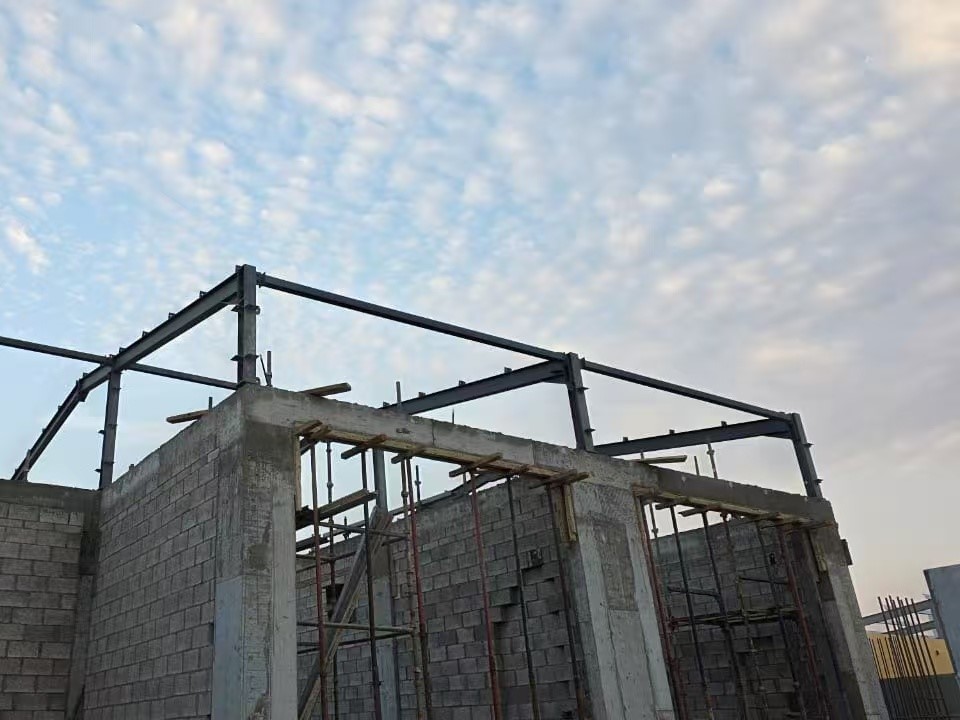
A steel frame portal is a rigid frame structural system formed by steel columns and rafters connected through moment-resisting joints.
Key characteristics include:
Rigid connections that transfer bending moments
Clearly defined load paths
Integration with foundation systems through base plates and anchor bolts
This configuration allows the structure to efficiently resist both vertical and lateral loads, making it ideal for large-span industrial buildings.
Industrial facilities typically require:
Large column-free interior spaces
Flexible equipment layouts
Potential for future expansion
A steel frame portal system commonly achieves spans ranging from 15 to 60 meters, reducing the need for interior columns and maximizing usable floor space.
Through optimized tapered or variable cross-section design, a steel frame portal efficiently handles bending forces while minimizing material usage.
Benefits include:
Fewer internal supports
Improved operational space
Accommodation for heavy machinery and crane systems
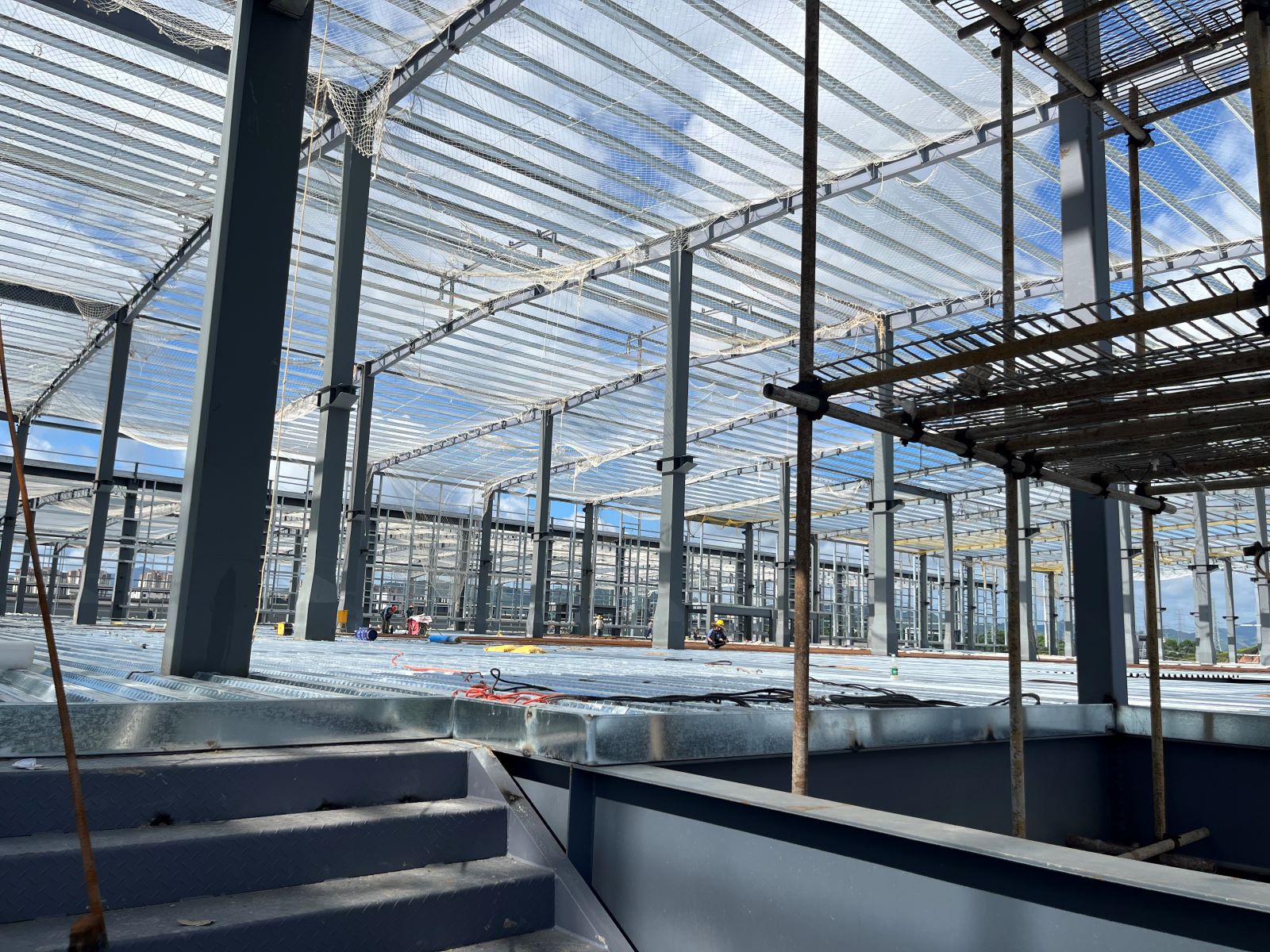
Steel frame portal buildings rely on prefabricated steel components manufactured in controlled factory environments.
Typical advantages:
Standardized fabrication
Bolted on-site assembly
Significantly shorter construction timelines compared to concrete structures
For industrial investors, faster construction means earlier project commissioning and quicker return on investment.
Steel frame portal systems are engineered for material optimization.
Cost advantages include:
Reduced steel waste through structural optimization
Lighter structural weight, which lowers foundation requirements
Competitive overall project cost for large industrial facilities
The cost efficiency becomes particularly noticeable in wide-span warehouse projects.
A steel frame portal structure allows:
Mezzanine floor additions
Overhead crane installations
Future building extensions
This flexibility supports long-term industrial development and operational growth.

A complete steel frame portal structure typically includes:
Primary vertical load-bearing members that transfer axial loads and bending moments to the foundation.
Roof beams that connect to columns and carry roof loads.
These components connect the steel frame portal to the foundation system and ensure structural stability and accurate alignment.
Includes roof bracing and wall bracing to enhance lateral stability and resist wind loads.
Secondary members that support roof and wall cladding systems.
Design must consider:
Dead load
Live load
Wind load
Crane load when applicable
Industrial buildings equipped with overhead cranes require more rigorous load analysis.
Span length directly influences:
Member section size
Structural stability
Material consumption
Optimized section design plays a critical role in controlling project costs.
Proper design of:
Wall bracing
Roof bracing
Wind resistance systems
is essential, especially for lightweight industrial buildings.
Excessive deflection may affect:
Roof drainage performance
Crane operation
Overall serviceability
Structural deflection must comply with relevant engineering standards.
Large unobstructed production areas
Integrated crane systems
Efficient equipment layout
High space utilization
Rapid construction
Easy future expansion
Lightweight structure
Cost-effective solution
Adaptable to large-area coverage
Extra-large spans
High wind resistance requirements
In these applications, steel frame portal systems demonstrate stable and reliable performance.
| Comparison | Steel Frame Portal | Reinforced Concrete |
|---|---|---|
| Structural Weight | Lighter | Heavier |
| Construction Time | Shorter | Longer |
| Expandability | Easier | More Difficult |
| Material Efficiency | Higher | Relatively Lower |
Unlike conventional steel framing, a steel frame portal relies on rigid moment connections, making it especially suitable for single-story, large-span industrial buildings.
A typical project includes:
Structural design and engineering calculations
Factory fabrication of steel components
Foundation preparation
On-site steel frame assembly
Roof and wall cladding installation
Precision fabrication and coordinated installation are critical for ensuring structural alignment and performance.

Key variables include:
Building span
Structural height
Steel grade selection
Local wind and seismic requirements
Foundation type
Transportation distance
Proper structural optimization can significantly improve overall cost efficiency.
Typical issues may include:
Improper connection detailing
Insufficient bracing
Misaligned anchor bolts
Poor coordination between design and fabrication
These risks can be minimized through professional engineering support and strict quality management systems.
A high-quality steel frame portal project requires:
Professional structural design expertise
Precision fabrication capability
Strict quality inspection procedures
Experienced installation supervision
With extensive experience in steel structure manufacturing and international project delivery, we understand the dual demands of safety and efficiency in industrial construction.
Systematic engineering processes and disciplined production management are essential to ensure that every steel frame portal structure meets international engineering standards and practical performance requirements.
The steel frame portal system remains the preferred structural solution for industrial buildings because it achieves an effective balance between structural performance, construction efficiency, and economic value.
For manufacturing and logistics industries, a well-designed steel frame portal not only maximizes usable space but also shortens construction timelines and ensures long-term operational stability.
In industrial steel construction, true expertise goes beyond fabrication capability. It lies in comprehensive structural optimization, engineering precision, and proven project experience.
For customized steel frame portal solutions and detailed project quotations, feel free to contact us at liyousteelstructure@outlook.com — our engineering team will respond within 24 hours.
