
Guangdong LiYou Steel Structure Engineering Co., Ltd. +8619147784007 liyousteelstructure@outlook.com
 |


| Quantity: | |
|---|---|
Online technical support, Onsite Installation, Onsite Training, Onsite Inspection, Free spare parts, Return and Replacement, Other
graphic design, 3D model design, total solution for projects, Cross Categories Consolidation, Others
Modern
Guangdong, China
Lifetime
engineer guidance
CE Certification
Industrial Commercial
C.Z Shape Steel Channel
Sliding Door
Customized Color
Sandwich Panel Optional
Aluminum Alloy Sliding Window
SAP2000/AutoCAD /PKPM /3D3S/TEKLA
Hot Dip Galvanized
25-60 days
Single item
1X1X1 cm
1.000 kg
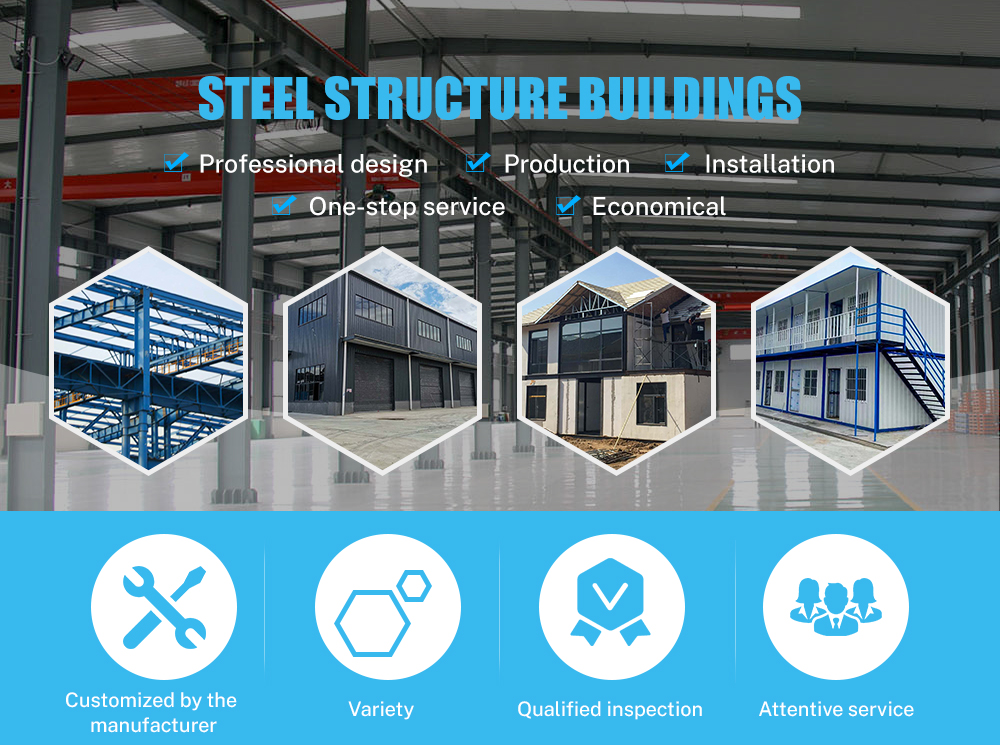
Steel structural design is a specialized discipline within structural engineering focused on designing safe and efficient steel-framed buildings and structures. Steel structures use beams, columns, braces, and connections engineered to support loads and resist environmental forces such as wind, earthquakes, and snow. This process involves structural analysis, load calculations, and choosing appropriate steel members and connections to meet design requirements.
Steel design is widely used in a variety of buildings and infrastructure — from industrial factories and warehouses to bridges, commercial centers, and residential steel frames — due to its strength, flexibility, and speed of construction.
Steel offers high strength-to-weight ratios, which allow structures to span long distances with fewer supports and withstand heavy loads without compromising safety.
With proper design and corrosion protection, steel structures can maintain structural integrity for decades with minimal maintenance compared to traditional materials like wood or concrete.
Steel design supports highly customized architectural and structural solutions. Its versatility allows unique forms, retrofit solutions, and integration with other materials for optimized performance and aesthetics.
Prefabrication of steel components accelerates construction timelines and reduces on-site labor costs, making it a cost-effective choice for many projects.
A strong steel structural design considers safety, economy, durability, and constructability:
Designers must ensure steel structures remain stable under expected loads, including dead loads (self weight), live loads, wind loads, snow loads, and seismic forces, by performing detailed load calculations and strength checks.
Steel structural design aims to optimize material usage, avoid unnecessary steel consumption, and use standardized components and prefabrication techniques to reduce costs.
Steel designs include corrosion protection, appropriate coatings, and provisions to address the effects of moisture, weather, and long-term environmental impacts.
Designs emphasize ease of fabrication and assembly, using design methods and software tools to improve accuracy and reduce construction difficulties.
We begin by understanding your project goals, site conditions, and functional requirements.
Applying engineering standards and load combinations to calculate stresses and member requirements.
Choosing appropriate steel sections (I-beams, HSS, plates) based on strength needs and code requirements.
Developing detailed drawings for welded or bolted connections, ensuring structural integrity.
Ensuring designs meet building codes and standards for safety and performance.
We offer comprehensive engineering solutions tailored to your project:
Conceptual & Detailed Design — from initial concept to full detailed plans
3D Modeling & BIM Integration — improved visualization and project coordination
Load Calculations & Structural Analysis — accurate performance prediction
Connection Design & Shop Drawings — fabrication-ready documentation
Permitting Support — ensuring compliance with local codes
Steel structural design is essential for:
Industrial Buildings: Factories, warehouses, processing plants
Commercial Construction: Offices, retail centers, sports arenas
Infrastructure: Bridges, transit terminals
Residential & Modular Homes: Steel framing for durability and design flexibility
Special Structures: Canopies, mezzanines, and custom architectural features
Steel is a sustainable and adaptable choice for these diverse structural projects.
When evaluating a steel structural design provider, consider:
Experience in similar project types
Compliance with engineering standards and codes
Use of modern tools and software for accuracy
Ability to deliver detailed documentation and support
A trusted partner ensures your steel structure performs safely, efficiently, and cost-effectively.
Q: What tools are used for steel structural design?
Designers use structural analysis and BIM software to model forces, select members, and generate fabrication drawings, improving accuracy and efficiency.
Q: Why is steel often preferred over concrete or wood?
Steel offers higher strength, faster construction, and greater design flexibility, making it ideal for large spans and complex geometries.
Q: Can steel structural designs be customized?
Yes — designs can be tailored to project requirements, including load conditions, architectural needs, and environmental factors.

| item | value |
| Warranty | 3 years |
| After-sale Service | Online technical support |
| Project Solution Capability | total solution for projects |
| Application | Workshop |
| Place of Origin | China |
| Guangdong | |
| Material | Steel |
| Use | workshop |
| Product Type | Warehouse |
| Design Style | Modern |
| Certification | CE Certification |
| Application Fields | Industrial Commercial |
| Purlin | C.Z Shape Steel Channel |
| Door | Sliding Door |
| Color | Customized Color |
| Wall and Roof | Sandwich Panel Optional |
| Window | Aluminum Alloy Sliding Window |
| Drawing Design | SAP2000/AutoCAD /PKPM /3D3S/TEKLA |
| Surface treatment | Hot Dip Galvanized |
| Delivery time | 25-60 days |


