
Guangdong LiYou Steel Structure Engineering Co., Ltd. +8619147784007 liyousteelstructure@outlook.com
Views: 35 Author: Site Editor Publish Time: 2026-01-03 Origin: Site
In modern industrial, logistics, and manufacturing projects, a warehouse is no longer just a basic storage facility. It has become a critical piece of infrastructure that directly affects operational efficiency, construction timelines, investment returns, and future expansion potential.
As a result, more project owners are actively looking for building solutions that can ensure structural safety while also shortening construction time and keeping budgets under control. In this context, steel warehouse kits have become one of the most widely adopted solutions for contemporary warehouse construction.
Rather than being a simple collection of prefabricated steel components, steel warehouse kits represent a highly engineered and system-driven delivery model for steel warehouse buildings.
From an engineering perspective, steel warehouse kits are complete steel building systems designed around specific project parameters and delivered as coordinated structural solutions.
Their defining characteristic is that the overall structural system is planned, calculated, and matched before fabrication begins, rather than being adjusted on site during construction.
In a typical steel warehouse kits project, the following work is completed during the early stages:
Selection of an appropriate structural system based on warehouse function
Overall planning of building span, height, and column spacing
Structural calculations and section optimization for primary load-bearing members
Definition of connection methods and installation sequences
Conversion of engineering designs into components ready for fabrication and assembly
Because of this approach, steel warehouse kits are best understood as an engineered building system rather than a simple supply of steel materials.
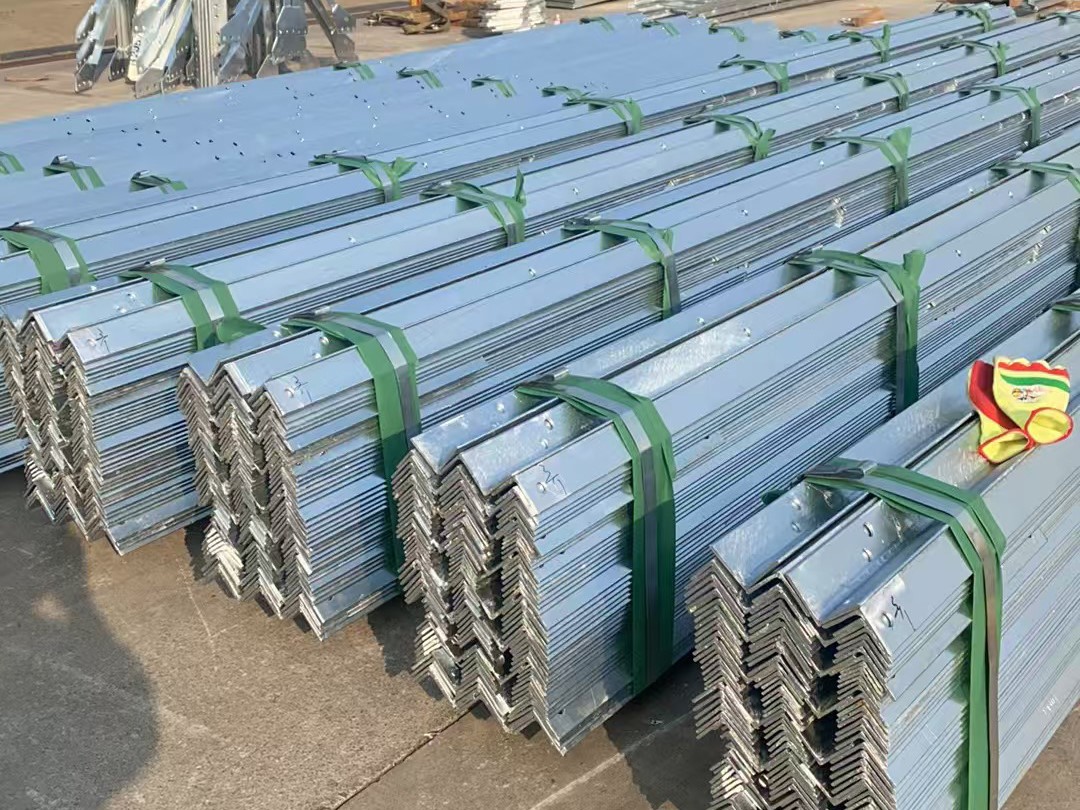
A truly complete and build-ready steel warehouse kits solution consists of several highly coordinated systems. Each system plays a direct role in structural performance and construction efficiency.
The primary steel frame system forms the structural backbone of steel warehouse kits. It consists mainly of columns and beams and determines key building characteristics such as:
Usable interior space and clear span
Maximum achievable building width and height
Overall stiffness and structural stability
Compatibility with cranes or heavy equipment loads
In professional projects, primary steel frames are designed specifically for each warehouse based on load conditions and operational requirements rather than using fixed standard sections.
Secondary steel members typically include roof purlins, wall girts, and bracing systems. Their functions include:
Transferring roof and wall loads to the primary structure
Enhancing overall spatial stability
Limiting structural deformation during long-term use
Within steel warehouse kits, secondary members are not optional components. They are essential structural elements that directly affect safety and performance.
Cladding systems do more than enclose the building. They also influence:
Waterproofing and drainage performance
Wind resistance
The internal working environment of the warehouse
For this reason, cladding systems in steel warehouse kits are typically designed together with the structural system rather than added later as separate elements.
Connection systems play a critical role in the efficiency of steel warehouse kits installation. By defining connection details during the design phase, manufacturers can:
Reduce installation errors on site
Shorten erection time
Ensure clear and reliable load transfer paths
This is a key reason why steel warehouse kits support high-quality and repeatable assembly processes.
Complete steel warehouse kits usually include essential layout drawings, member identification details, and installation logic. These documents help guide on-site construction and reduce the risk of misinterpretation during installation.
One of the main advantages of steel warehouse kits is construction speed. This is achieved by shifting much of the construction complexity to the early stages of the project.
Structural design is completed upfront
Steel components are fabricated in a controlled factory environment
On-site work focuses primarily on assembly
This allows foundation work, fabrication, and project preparation to proceed in parallel, significantly reducing the overall construction timeline.
Steel warehouse kits also offer stronger cost predictability during the planning phase.
Steel usage is optimized through structural calculations
Factory fabrication reduces material waste and rework
Clear installation procedures help stabilize labor costs
For projects with strict budget requirements, this level of cost control is a major advantage.
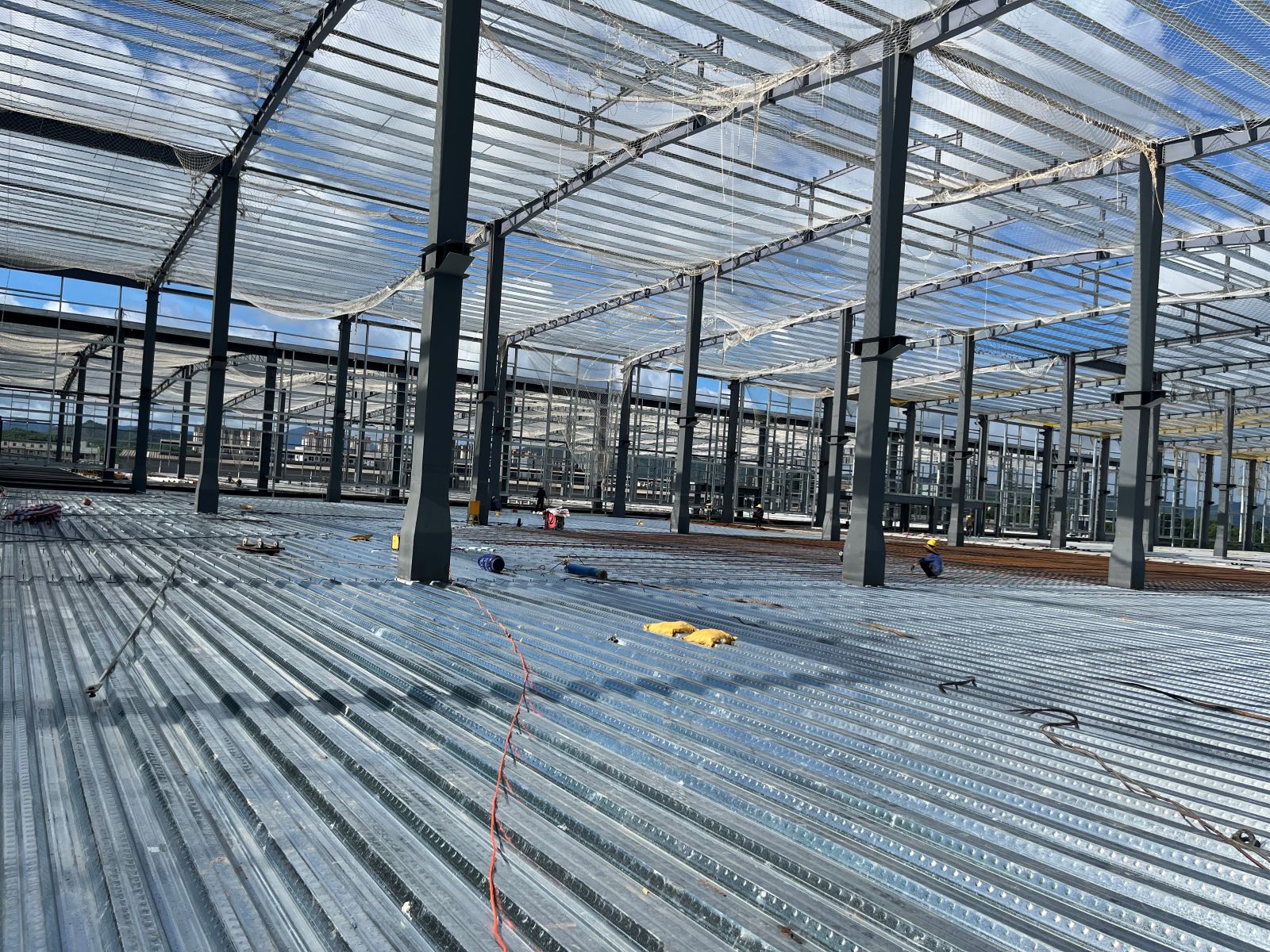
Despite their system-based nature, steel warehouse kits are not rigid standard products. In real-world projects, structural layouts can be customized to suit specific needs, including:
Different spans and column spacing arrangements
Variable building heights to accommodate equipment or storage systems
Single-span, multi-span, or combined structural layouts
This flexibility allows steel warehouse kits to be applied across a wide range of warehouse types.
During the engineering phase, steel warehouse kits are designed to address multiple environmental and structural factors that directly affect safety and durability.
Wind loads influence several key aspects of design, including:
Fixing methods for roof and wall systems
Lateral stability of the structure
Load behavior at connection points
In large-span warehouses, wind load is often one of the controlling design conditions.
Snow load acts primarily on roof structures and affects:
Section selection for roof beams and purlins
Roof slope and drainage design
Safety margins under localized snow accumulation
Proper snow load design is essential for long-term structural reliability.
Seismic design considerations influence:
Overall structural system selection
Bracing layout and configuration
Ductility and detailing of connections
These requirements are typically integrated into steel warehouse kits during the early design stage.
To support long-term operational needs, steel warehouse kits are often designed with future flexibility in mind. This may include provisions for:
Mezzanine floors
Crane and lifting systems
Structural connections for future expansion
Such forward-looking design helps reduce the cost and complexity of later modifications.
Compared with traditional concrete buildings or on-site fabricated steel structures, steel warehouse kits offer clear advantages:
Fabrication is less affected by weather conditions
On-site construction is easier to organize and manage
Overall project duration is significantly shorter
These benefits are especially valuable for time-sensitive projects.
From a lifecycle perspective, steel warehouse kits typically provide:
Simpler structural maintenance
Higher space utilization efficiency
Greater flexibility for layout changes and upgrades
This makes them a cost-effective solution over the long term.

Due to their structural and construction advantages, steel warehouse kits are widely used in:
Industrial manufacturing warehouses
Logistics and distribution centers
Raw material and finished goods storage facilities
Export-oriented and overseas warehouse projects
Projects usually begin with an evaluation of functional requirements, site conditions, and structural needs. Based on this information, an overall structural concept is developed.
Factory fabrication offers several advantages:
Improved dimensional accuracy
Consistent component quality
Strict implementation of quality control procedures
These factors contribute directly to installation efficiency and long-term performance.
For overseas projects, proper packing, clear component identification, and professional installation guidance are essential to ensure smooth project execution.
When selecting a steel warehouse kits supplier, it is important to evaluate:
Engineering and fabrication experience
Custom design capabilities
Depth of technical support
Proven experience with overseas projects
These factors have a direct impact on project reliability and execution quality.

With years of experience in steel structure design, fabrication, and export, Liyou Steel Structure has developed a mature engineering and delivery system for steel warehouse kits. This enables us to provide stable, reliable, and practical steel warehouse solutions for projects of varying scale and complexity.
Overall, steel warehouse kits offer a balanced solution that combines construction efficiency, structural safety, and long-term operational value. When project requirements are clearly defined, working with a partner that has strong engineering expertise and systematic execution capabilities can significantly improve project outcomes. Email: liyousteelstructure@outlook.com
