
Guangdong LiYou Steel Structure Engineering Co., Ltd. +8619147784007 liyousteelstructure@outlook.com
Views: 34 Author: Site Editor Publish Time: 2026-02-03 Origin: Site
In steel building design, the type of structural system directly impacts a building's stability, durability, and construction cost. For many project planners and engineers, the term rigid frame structure is often mentioned but frequently misunderstood.
Many people may know it as "a type of steel frame," yet they do not fully understand its role in real engineering, its advantages, or its impact on building safety and service life. This article explains the definition, working principles, practical value, and design considerations of a rigid frame structure, helping you make more informed decisions in project planning and construction.
A rigid frame structure is a structural system formed by beams and columns connected through rigid joints. Its main characteristics include:
Beams and columns are connected with rigid joints
The system forms an integrated load-bearing structure capable of resisting bending moments and shear forces
Unlike traditional hinged frames, a rigid frame structure does not allow significant rotation at the joints
In simple terms, a rigid frame structure uses joint rigidity and continuous connections to maintain stability under roof loads, wind loads, or snow loads.
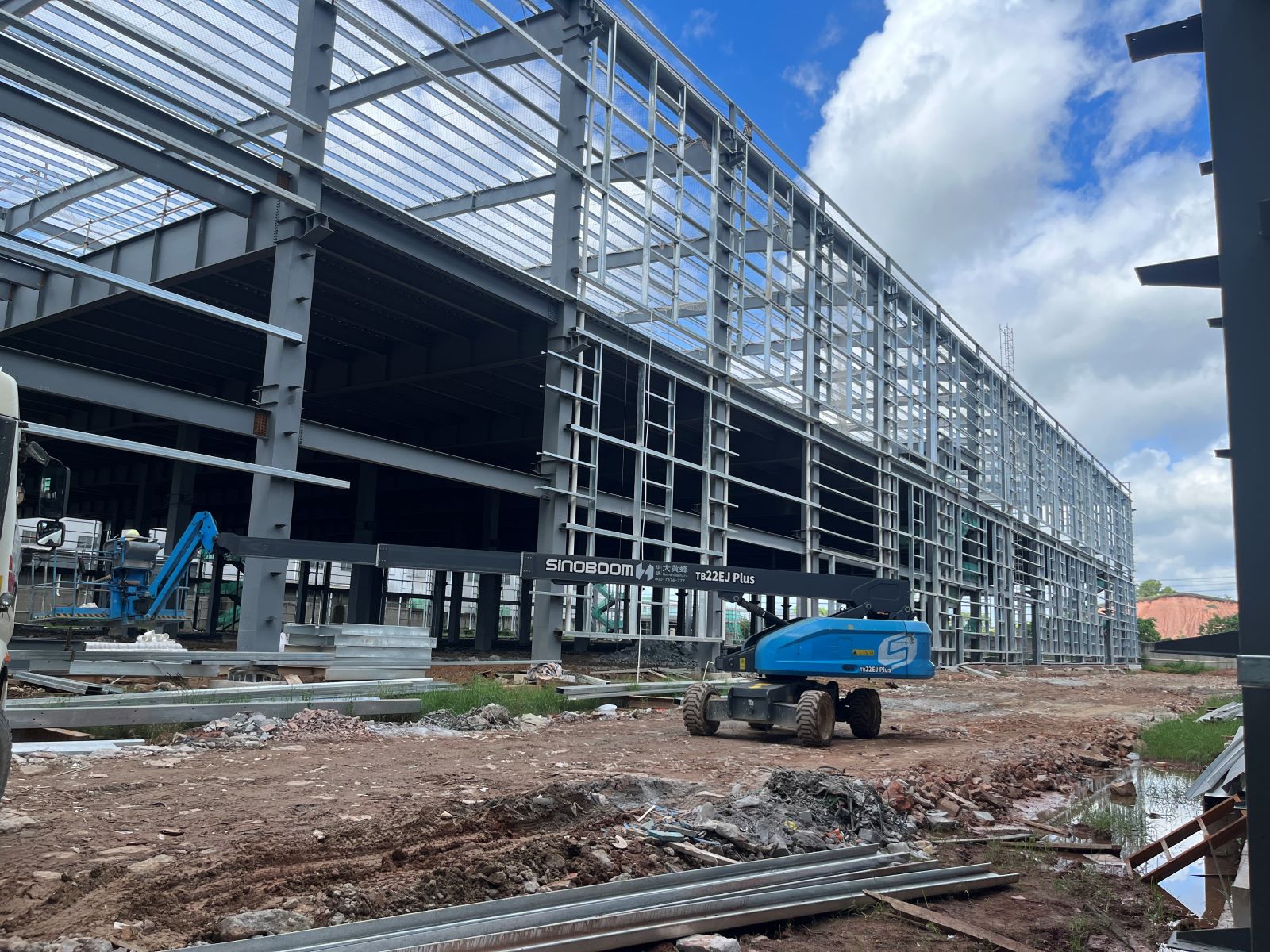
In practice, the load transfer path of a rigid frame structure is typically as follows:
Roof load → Rigid frame → Columns → Foundation
The key working principles include:
Rigid joints ensure overall structural stability
Roof and wall loads are evenly transmitted to the foundation
Clear load paths allow engineers to optimize material usage during the design stage
A properly designed rigid frame structure not only enhances building safety but also reduces material waste and improves construction efficiency.
High Stability
Rigid joint connections create an integrated bending-resisting system, providing strong stiffness and minimizing deformation under external loads.
Material Efficiency
Steel is used more effectively, allowing large spans without excessive supporting members.
Construction Flexibility
Standardized rigid frame components are easy to fabricate in the factory and install on-site, making them suitable for industrial workshops, warehouses, and commercial buildings.
Durability and Safety
Rigid frame structures can withstand long-term wind, snow, and other loads, while offering strong fatigue resistance and extending building service life.
Rigid frame structures are widely used in steel buildings, including:
Industrial factories and production workshops: Provides large clear spans for machinery and equipment
Warehouses and logistics centers: Creates continuous space for storage and handling
Commercial and public buildings: Such as exhibition halls or sports facilities requiring wide-open interiors
Special large-span buildings: Examples include aircraft hangars and large-scale industrial facilities
Each application demonstrates the advantages of rigid frame structures in terms of stability, construction efficiency, and cost control.
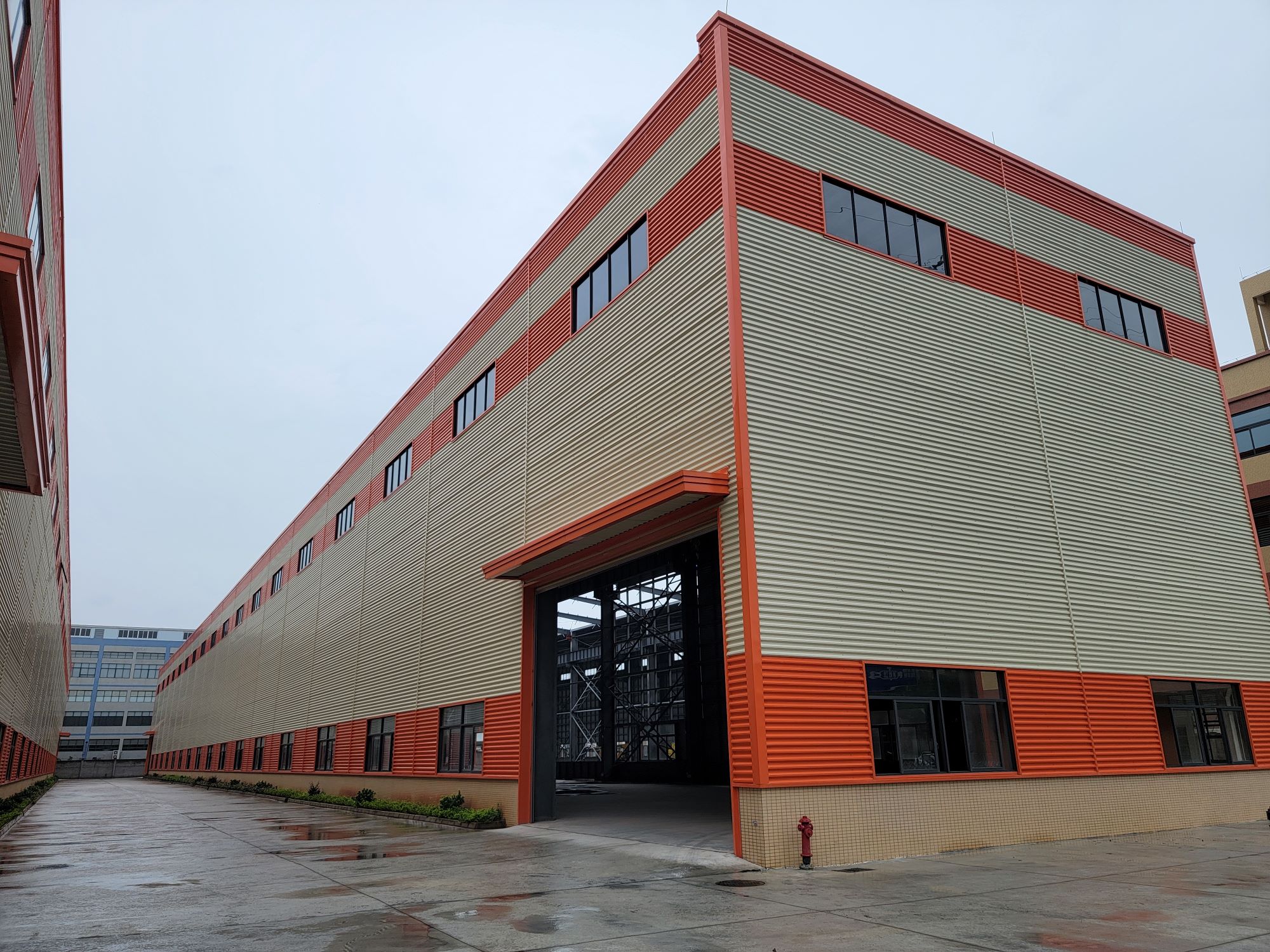
Span and Load Calculations
Accurate calculation of roof and wall loads is essential, and beam and column specifications and spacing must match the building span.
Joint Design
Rigid joints can be made with welding or high-strength bolts. The joint design directly affects overall structural stiffness and safety.
Environmental Factors
Wind loads, snow loads, and seismic conditions must be considered in the design.
Construction Feasibility and Safety Standards
Construction methods should comply with local steel structure regulations to ensure smooth and safe project execution.
Proper design and construction not only ensure building safety but also optimize material usage and improve economic efficiency.
The main benefits of using a rigid frame structure include:
Enhanced overall structural stability for long-term safety
Efficient use of steel, reducing project costs
Capability for large spans, meeting industrial and commercial space requirements
Faster construction and shorter project timelines
Improved durability and extended building service life
Practical project experience shows that rigid frame structures are widely adopted in industrial factories, warehouses, and commercial buildings due to their safety and cost-effectiveness.
The final performance of a rigid frame structure depends on the coordination of design, fabrication, and construction.
Experienced steel structure manufacturers can identify potential risks early and optimize the rigid frame structure for stability, construction efficiency, and cost control.
Liyou Steel Structure has years of experience in steel structure design and fabrication, successfully completing hundreds of projects. Our team provides comprehensive services, from design drawings and material fabrication to construction guidance, ensuring that every rigid frame structure project is safe, reliable, and cost-effective.
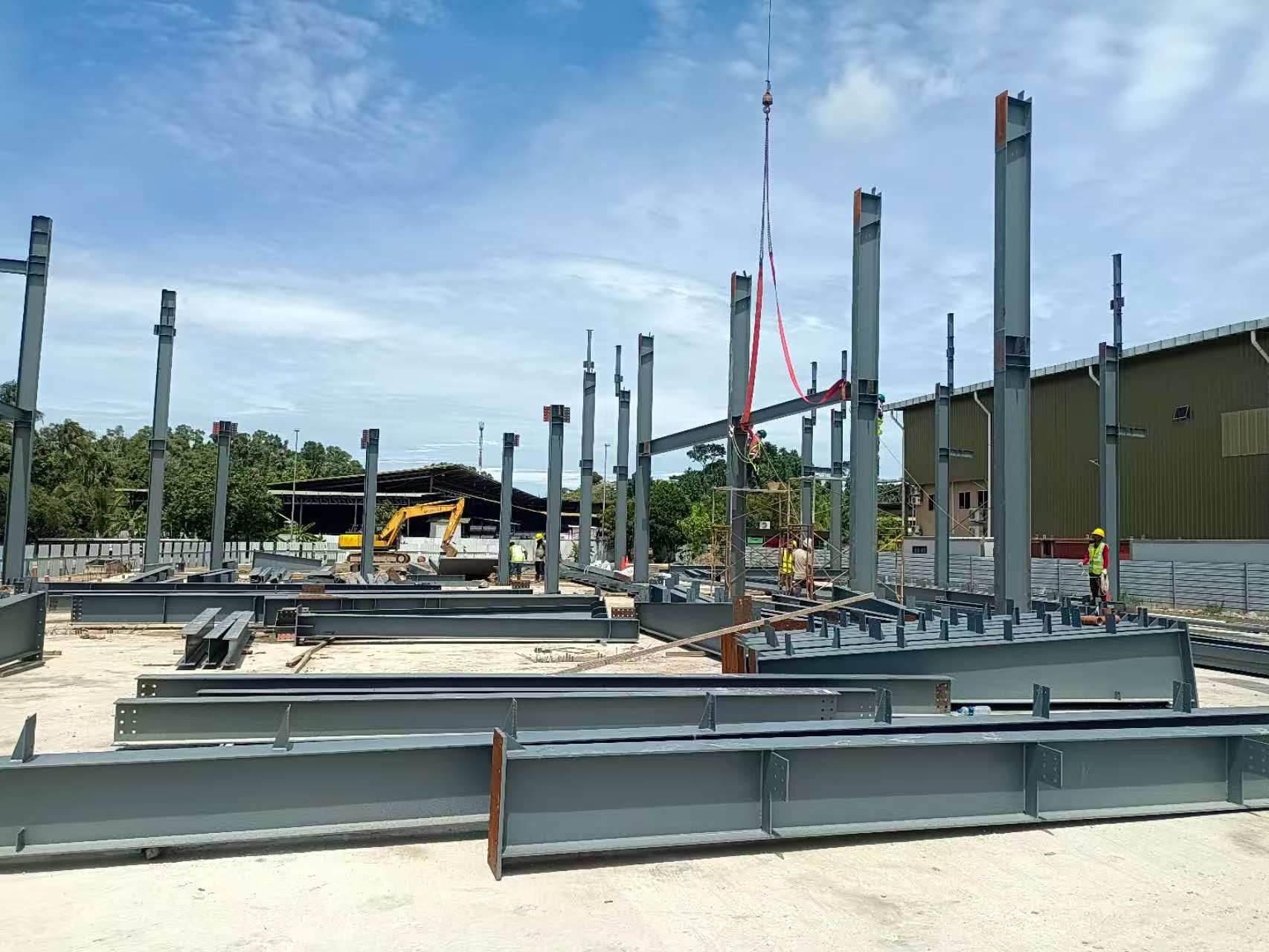
Understanding what is a rigid frame structure gives you insight into the core logic of steel building roof and overall structural systems.
A properly designed rigid frame structure is not just a support component. It is a critical factor for building safety, durability, and economic performance.
Partnering with experienced professionals like Liyou Steel Structure ensures that your project is supported by expertise at every stage of design, construction, and long-term use.
If you are planning a steel building project and need expert guidance on rigid frame structure design or complete steel structure solutions, contact Liyou Steel Structure.
Email us at: liyousteelstructure@outlook.com
