
Guangdong LiYou Steel Structure Engineering Co., Ltd. +8619147784007 liyousteelstructure@outlook.com
Views: 36 Author: Site Editor Publish Time: 2026-02-28 Origin: Site
With the continuous upgrading of global manufacturing industries, companies now place higher demands on factory buildings in terms of space efficiency, construction speed, safety, and long-term operating costs.
Most investors focus on four key questions:
How fast can the facility be put into operation?
Is the building structurally safe and durable?
Is the overall cost reasonable and controllable?
Can the building be easily expanded in the future?
Traditional concrete workshops often require long construction periods, sometimes taking six months to over a year to complete. Their heavy structural weight also leads to higher foundation costs and limited flexibility for future expansion.
In contrast, a steel structure workshop uses prefabricated steel components combined with fast on-site assembly. This method typically shortens construction time by 30% to 50%, while allowing for large-span layouts that better support modern industrial production.
From an engineering perspective, a steel structure workshop is an industrial building where steel columns and beams form the main load-bearing framework, while the roof and wall systems serve as enclosure structures.
The load transfer process is simple and efficient:
Loads are transferred from the roof to the steel beams
Beams transfer loads to steel columns
Columns transmit loads to the foundation
This clear structural system provides:
High load capacity
Strong wind and seismic resistance
Long-term structural stability
| Factor | Steel Structure Workshop | Traditional Concrete Workshop |
|---|---|---|
| Structural Weight | Light | Heavy |
| Foundation Demand | Lower | Higher |
| Construction Method | Prefabricated + Assembly | On-site casting |
| Flexibility | High | Low |
| Service Life | 30–50+ years | 40–60 years |
Steel structure workshops offer better efficiency and adaptability while fully meeting safety standards.
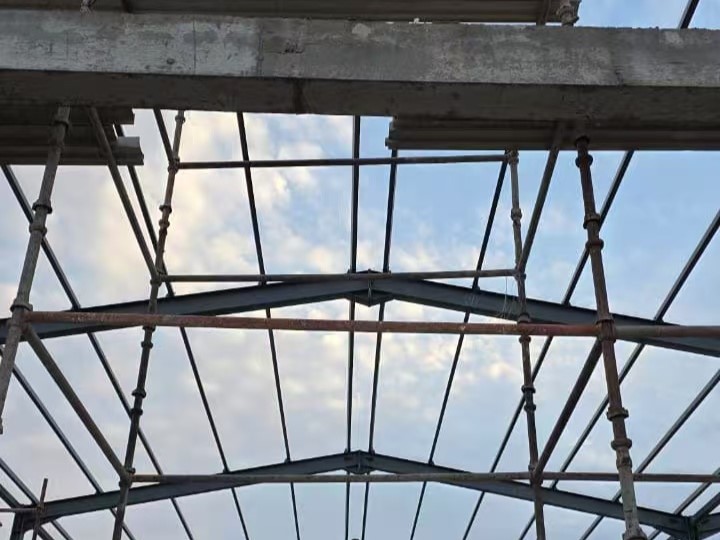
Typically consists of:
Steel columns
Primary steel beams
Secondary beams
Common structural forms include:
Rigid frame structures
Portal frame systems
These designs provide strong load capacity and efficient installation for large-span buildings.
Common materials:
Single-layer steel sheets
Insulated sandwich panels (rock wool, PU, etc.)
Main functions:
Weather protection
Thermal insulation
Improved indoor comfort
Includes:
Horizontal bracing
Vertical bracing
Roof tie rods
Purpose:
Resist wind and seismic forces
Prevent structural deformation
Depending on production needs:
Ventilation systems
Natural lighting panels
Crane runway beams
Drainage systems
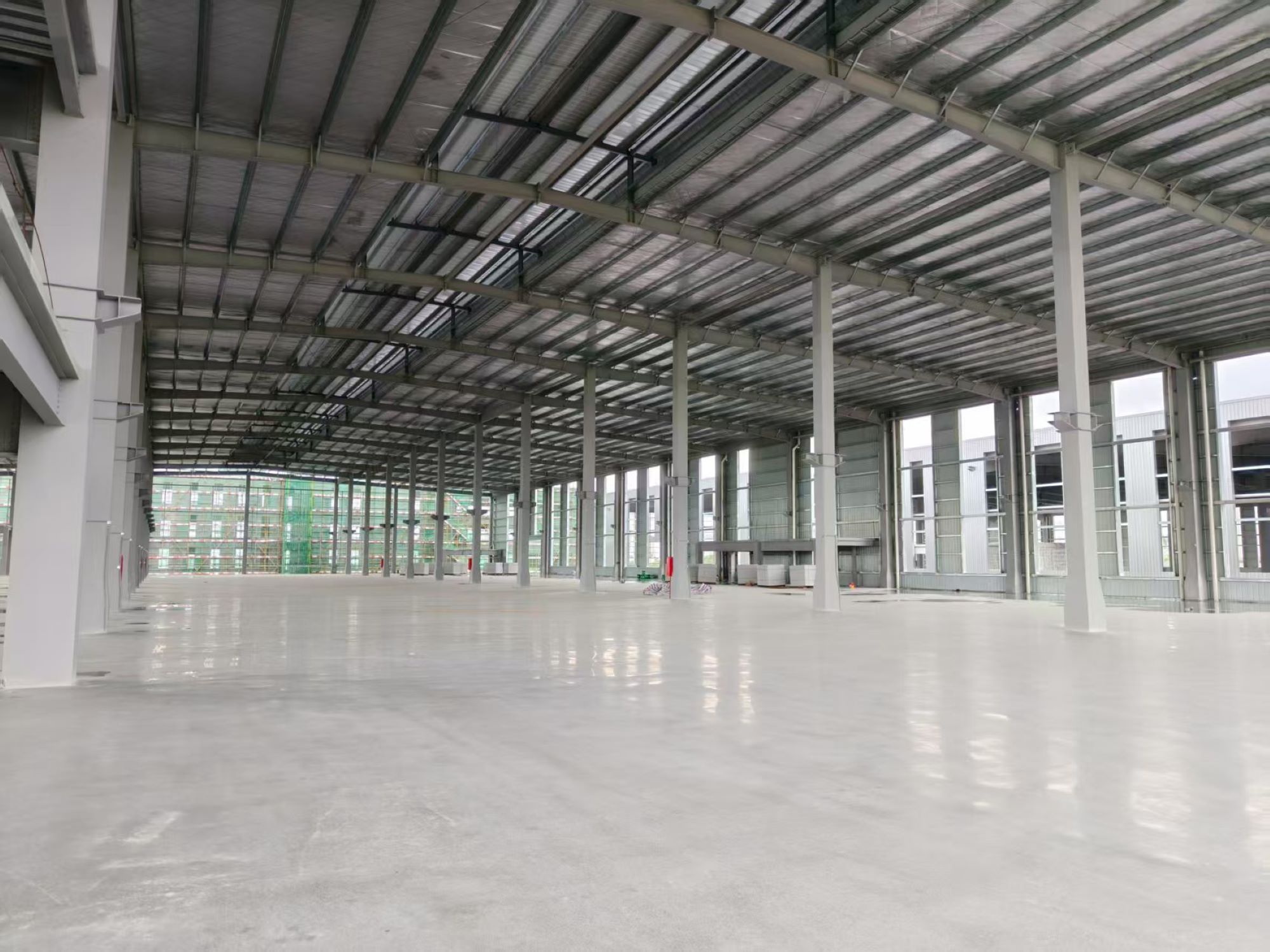
Steel structures easily achieve spans of 18 m to 36 m or more, creating open spaces ideal for equipment layout and workflow efficiency.
Design must consider:
Equipment loads
Live loads
Crane loads (if applicable)
Accurate structural calculations are critical to safety.
Design should reflect:
Wind speed zones
Snow loads
Corrosive environments
Appropriate materials and coatings ensure long service life.
With factory-prefabricated components often exceeding 70%, on-site work mainly involves assembly, significantly reducing project timelines.
Steel structure workshops allow easy:
Length extensions
Height increases
Span modifications
without disrupting ongoing operations.
| Item | Steel Structure Workshop | Concrete Workshop |
|---|---|---|
| Construction Time | 2–4 months | 6–12 months |
| Initial Cost | Medium | Higher |
| Maintenance Cost | Low | Medium |
| Expansion Difficulty | Low | High |
| ROI Speed | Faster | Slower |
Steel structure workshops are widely used in:
Manufacturing plants
Automated production lines
Large logistics warehouses
Heavy machinery workshops
These industries benefit from large spaces, fast construction, and high structural reliability.
Building a steel structure workshop involves much more than assembling steel frames. It requires:
Structural engineering calculations
Proper material selection
Precision fabrication
Controlled installation processes
Liyou Steel Structure brings years of hands-on experience in steel structure design, fabrication, and project delivery across industrial, commercial, and infrastructure sectors worldwide.
Our strengths include:
Professional engineering design teams
Strict quality control systems
Extensive international project experience
One-stop solutions from design to delivery
A steel structure workshop offers high strength, large open spaces, fast construction, and excellent long-term value, making it one of the best solutions for modern industrial buildings.
With proper design and professional construction, steel structure workshops provide safe, efficient, and cost-effective facilities that support long-term business growth. Partnering with an experienced steel structure provider ensures the success of your project.
Email us at: liyousteelstructure@outlook.com
