
Guangdong LiYou Steel Structure Engineering Co., Ltd. +8619147784007 liyousteelstructure@outlook.com
Views: 36 Author: Site Editor Publish Time: 2026-01-29 Origin: Site
In steel structure buildings, a roof is not simply a layer that covers the building. It must continuously withstand wind forces, rain or snow loads, and its own weight throughout the entire service life of the structure. If you are learning about steel building roof systems, you have likely come across a common question: what is purlin roof?
Many people feel confused when they first encounter a purlin roof.
Why are purlins used in almost every steel structure roof?
Can a roof remain safe without a properly designed purlin structure?
Do purlins really affect construction cost and long-term building performance?
In reality, purlins play a critical role in steel structure roofs, yet they are often underestimated or misunderstood. This article explains how a purlin roof works from a practical engineering perspective and why purlin structure is essential in steel building projects. The goal is to help you make informed decisions and avoid common design misunderstandings.
From an engineering point of view, what is purlin roof does not refer to a specific roofing material. Instead, it describes a roof structural system.
In steel buildings, a purlin roof is a system where purlins are installed on top of the main steel beams to support the roof panels and transfer roof loads safely into the primary structure.
In simple terms, a purlin roof forms the structural layer that connects the roof panels to the main steel frame. Without purlins, roof panels cannot create a stable and continuous load-bearing system. This is why purlin roofs have become a standard solution in modern steel buildings.
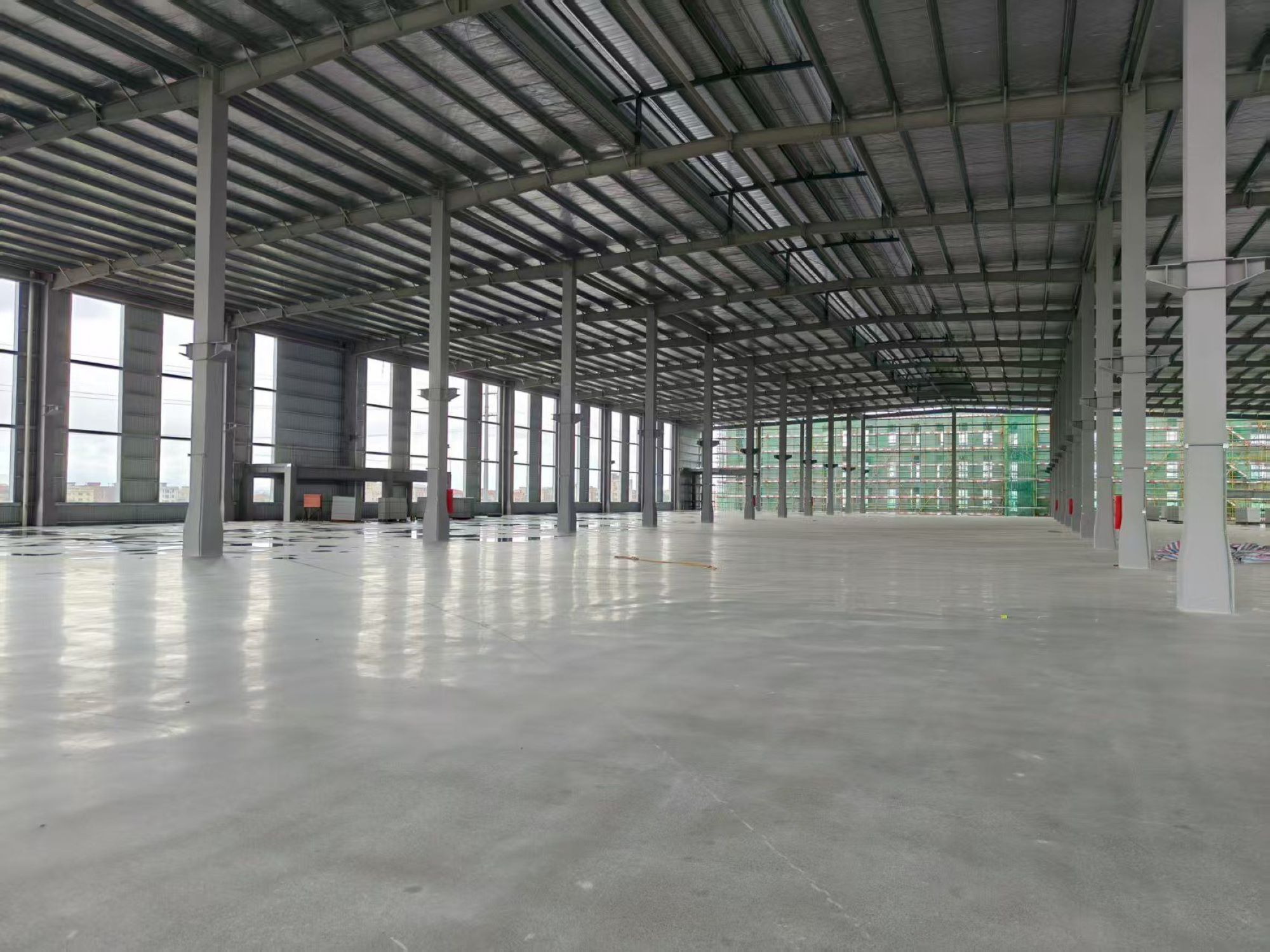
To fully understand what is purlin roof, it is important to understand the role of a purlin within a roof structure.
A purlin is a horizontal structural member installed between main steel beams or rafters. Its main functions include:
Providing continuous support for roof panels
Limiting deflection and deformation of roof sheets
Transferring roof loads evenly to the main steel structure
In a properly designed purlin structure, the spacing, section size, and connection details of the purlins are determined by roof span, load requirements, and the overall structural design. These factors are never chosen randomly.
This means purlins are not secondary or optional components. They are essential to the safety and performance of a steel structure roof.
In real steel building projects, the roof is exposed to various forces, including:
The self-weight of the roof system
Wind pressure and wind uplift
Snow loads or maintenance loads in certain regions
In a purlin roof system, these loads do not act directly on the main steel beams. Instead, they are distributed through the purlin structure.
The typical load transfer path is:
Roof panel → purlin → main steel beam → column → foundation
This structural logic offers several advantages:
It prevents excessive local stress on roof panels
It improves the overall stability of the roof system
It allows engineers to optimize the structure during the design stage
This is one of the key reasons why purlin roofs achieve both safety and structural efficiency.
In practice, purlins are usually fixed to the main steel beams using bolted connections. This method is widely used because it offers:
Reliable and predictable load transfer
High installation efficiency on site
Easier inspection, adjustment, and maintenance
For experienced steel structure manufacturers, purlin roof design is never done in isolation. It is always considered as part of the complete steel building system to ensure structural safety and constructability.

C purlin structure is one of the most commonly used solutions in steel structure roofs.
Its main characteristics include:
Simple cross-sectional shape
Easy fabrication and installation
Suitable for small to medium roof spans
C purlins have proven to be a stable and cost-effective choice in many industrial buildings, warehouses, and workshops.
Compared with C purlins, Z purlin structure is better suited for roofs that require greater structural continuity.
Its engineering advantages include:
The ability to overlap purlins for continuous load transfer
Better performance for larger roof spans
Improved overall roof stiffness
Z purlins are often used in large industrial steel buildings or projects with higher roof performance requirements.
In modern steel buildings, purlins are typically manufactured from cold-formed steel and treated with galvanizing or other protective coatings. This approach ensures sufficient structural strength while improving corrosion resistance, especially for roofs exposed to outdoor environments over long periods.
From a practical project perspective, the advantages of a purlin roof include more than just structural performance.
High structural reliability
Well-designed purlin structures are supported by decades of proven engineering practice.
High construction efficiency
Standardized purlins are well suited for factory production and fast on-site installation.
Cost control
Purlin roofs help balance material usage, installation time, and overall project budget.
Design flexibility
Purlin structures can be adjusted to suit different spans, loads, and building functions.
Purlin roofs are widely used in many types of steel structure buildings, including:
Industrial factories and production workshops
Warehouses and logistics centers
Steel platforms and auxiliary structures
Commercial and public steel buildings
All of these applications share common requirements for roof safety, stability, and construction efficiency.

As roof span increases, the demands on purlin structure become more critical. Proper control of purlin spacing and section size is essential to ensure long-term roof safety.
Environmental factors such as wind zones and snow loads vary by region. These conditions must be considered during the design of a purlin roof to avoid performance issues during the building's service life.
A purlin roof is never an independent system. Its performance depends on how well it integrates with the overall steel structure design.
Compared with traditional roof support systems, purlin roofs are better suited to modern steel buildings because they offer:
Clear and efficient load paths
Compatibility with industrialized fabrication
A balanced approach to safety, efficiency, and cost
In many real projects, roof problems are not caused by poor materials but by improper purlin structure design.
A well-designed purlin structure continues to perform throughout the entire life cycle of the building rather than only meeting short-term construction needs.
For most projects, the final performance of a purlin roof depends on the coordination between design, fabrication, and construction.
Companies with extensive steel structure project experience can identify potential risks early and address them through optimized purlin structure solutions. Liyou Steel Structure, with its long-term focus on steel structure design, fabrication, and export, develops roof systems based on real project experience and proven engineering practices. Email us at: liyousteelstructure@outlook.com
A clear understanding of what is purlin roof allows you to grasp the core logic of steel structure roof systems.
A properly designed purlin structure is not just a supporting component. It is a key factor in ensuring the safety, durability, and economic performance of steel structure buildings.
